

January 11, 2026
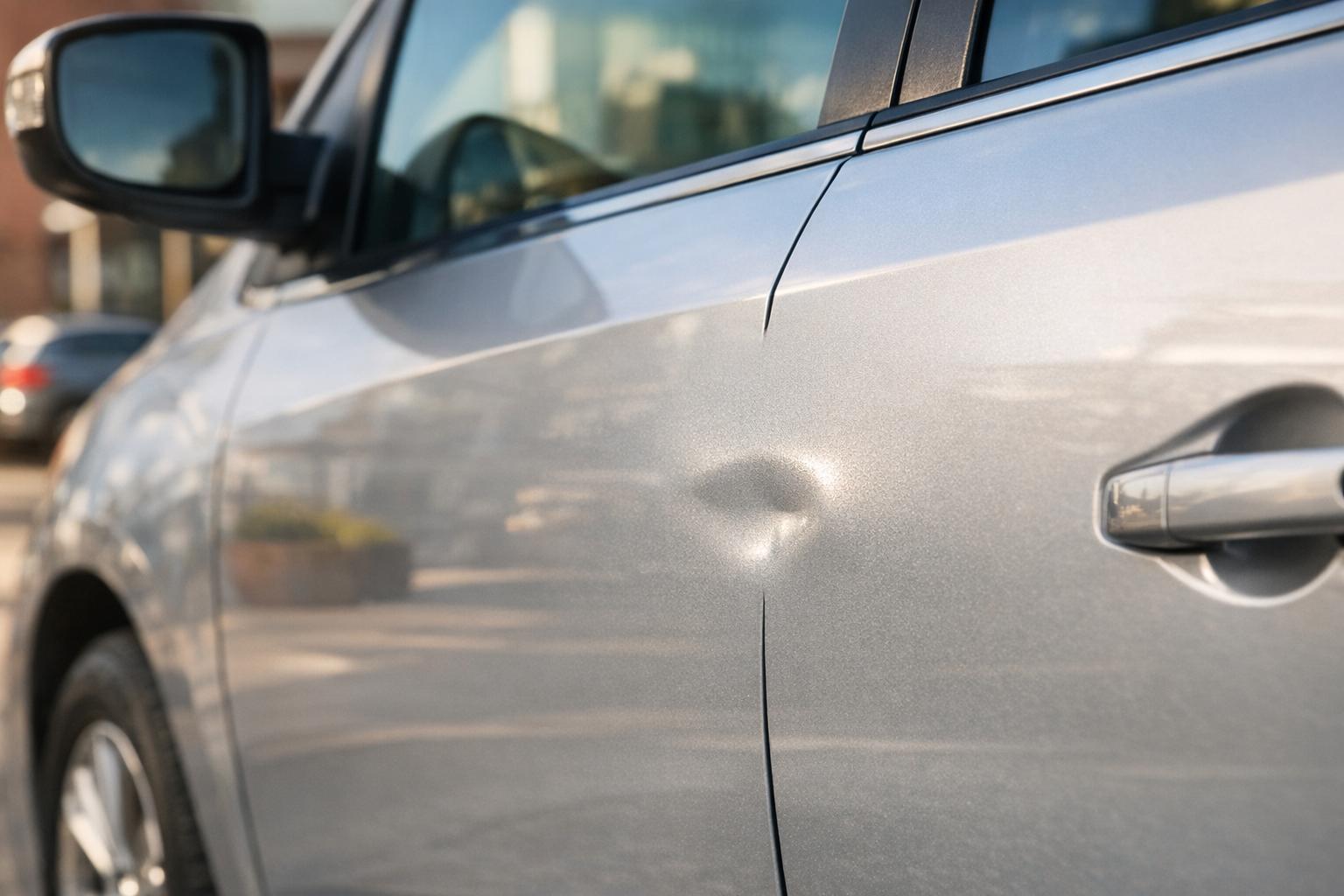
When your vehicle takes a hit, figuring out the extent of the damage can feel overwhelming. A car dent size estimator offers a quick way to assess the situation without needing to rush to a mechanic. Whether it’s a minor ding from a shopping cart or a more noticeable blemish from a fender bender, having a rough idea of the dent’s dimensions can help you plan your next steps.
Getting a sense of the damage early on can save you time and money. For instance, smaller dings might only need a simple fix, while larger issues could signal deeper structural concerns. Using a tool to gauge vehicle dent severity lets you decide whether to tackle a repair yourself or call in a pro. Plus, it’s handy for getting a ballpark idea before insurance claims or repair quotes come into play.
Remember, not all damage is visible. Even if a dent looks minor, there could be underlying issues. Tools like these are a great first step, but they’re no replacement for expert eyes. If you’re unsure, take your car to a trusted shop to avoid surprises down the road.
Our tool provides a rough estimate based on photo analysis or manual inputs. It’s a helpful starting point, but it’s not a substitute for a professional inspection. Factors like photo quality or lighting can affect results, so we always recommend getting a detailed assessment from a repair shop for precision.
Snap the photo in good, natural lighting to avoid shadows that might distort the image. Place a common object like a coin or ruler next to the dent for scale—this helps our tool gauge size better. Make sure the dent is centered and the photo isn’t blurry. A clear, well-lit shot gives the most reliable estimate.
That depends on the size and severity. Small dents under 2 inches might be manageable with a DIY kit if you’re handy, and our tool will note this. But for medium or large dents, especially over 5 inches, professional repair is often the safer bet. Always weigh the risks—DIY fixes can sometimes worsen the damage if not done right.
